



Key points:
- In its first phase, the Nazdaher Programme focused on monitoring private-sector investments in the economic diversification sectors, with a total value of OMR 11 billion.
- A strategic programme has been designed to ensure the integration of national efforts by focusing on developing initiatives that promote the growth of the private sector both locally and internationally. This is achieved through close collaboration with relevant entities and the active participation of private-sector representatives across different industries and company sizes, in line with the goals of the Private Sector, Investment, and International Cooperation Priority.
The National Programme for the Development of the Private Sector and Foreign Trade (Nazdaher) reviewed the efforts aimed at consolidating the position of the Sultanate of Oman as an attractive destination for the private sector, highlighting the reforms and initiatives undertaken to enhance Oman’s competitiveness in international indices related to private-sector development and to enable the private sector to play its central role in achieving sustainable economic growth.
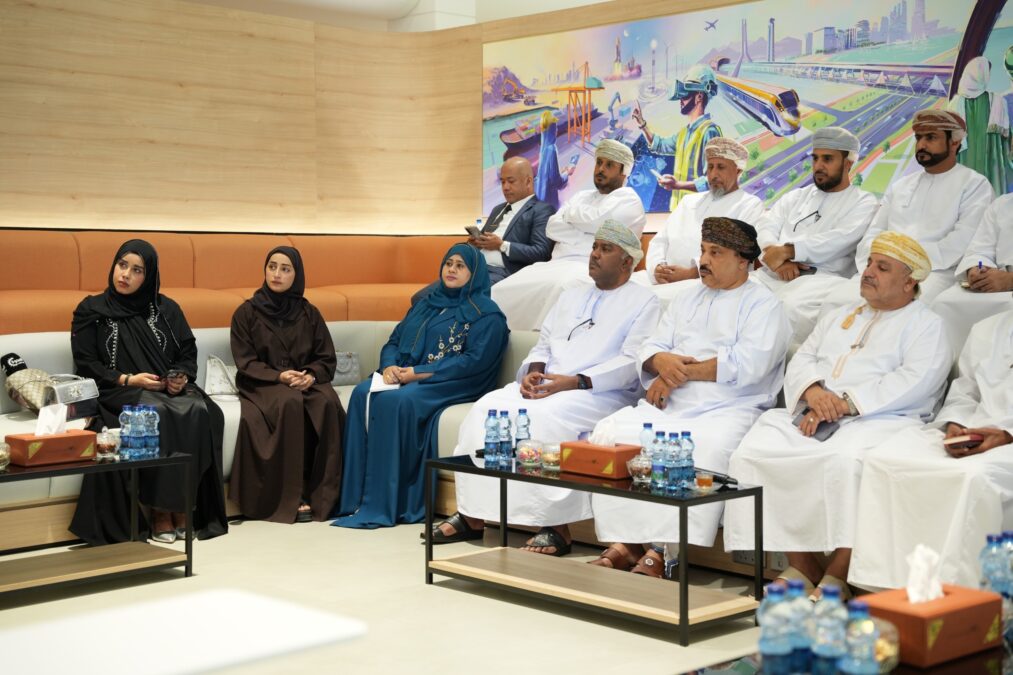
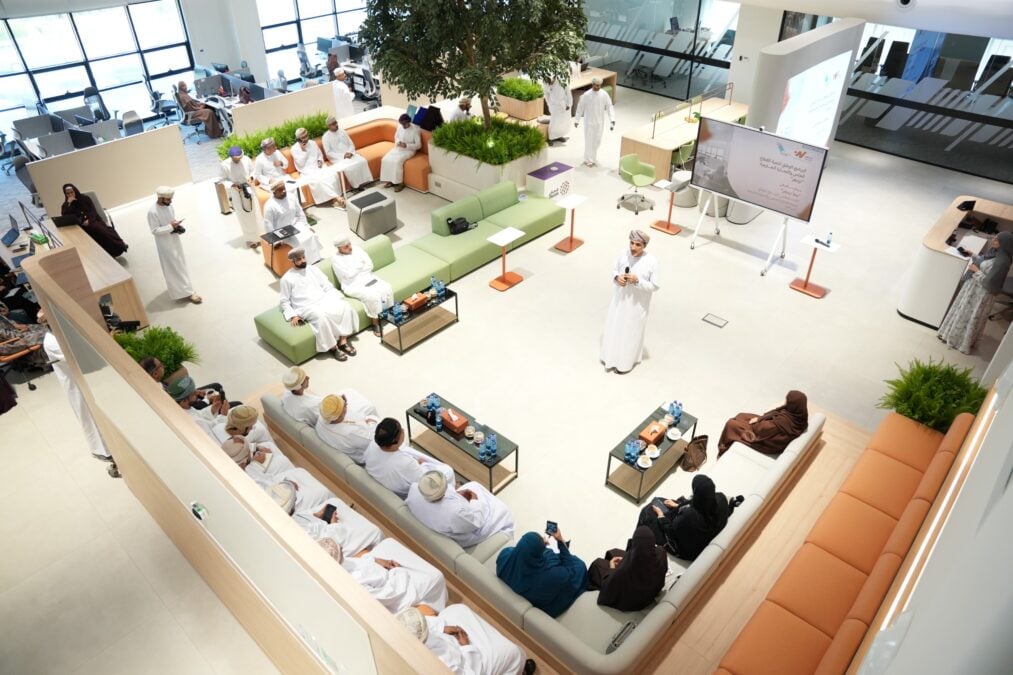
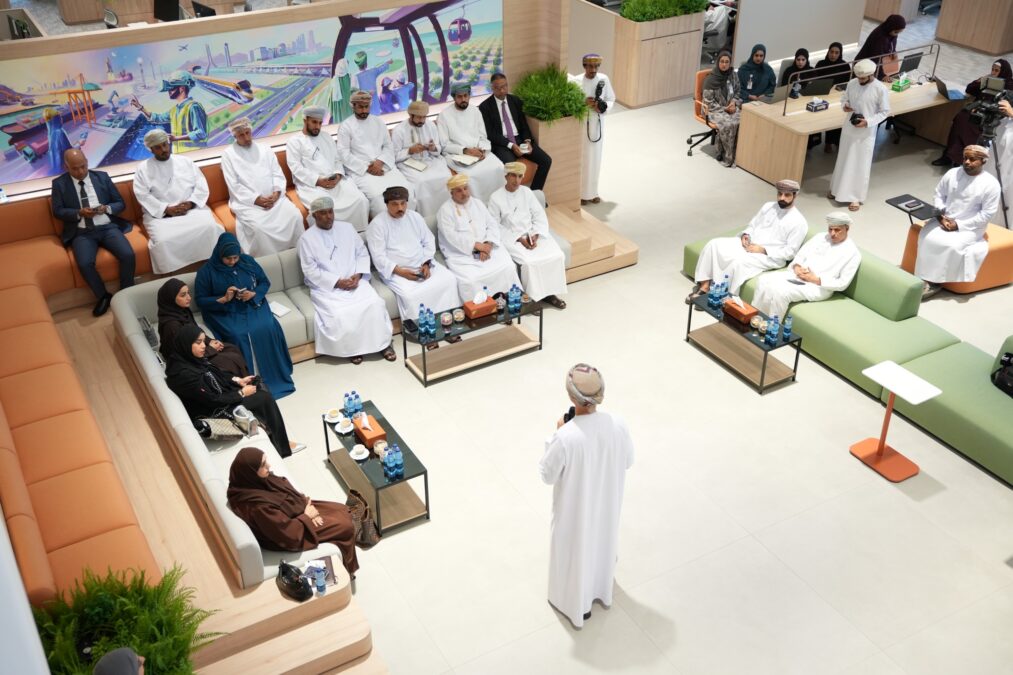
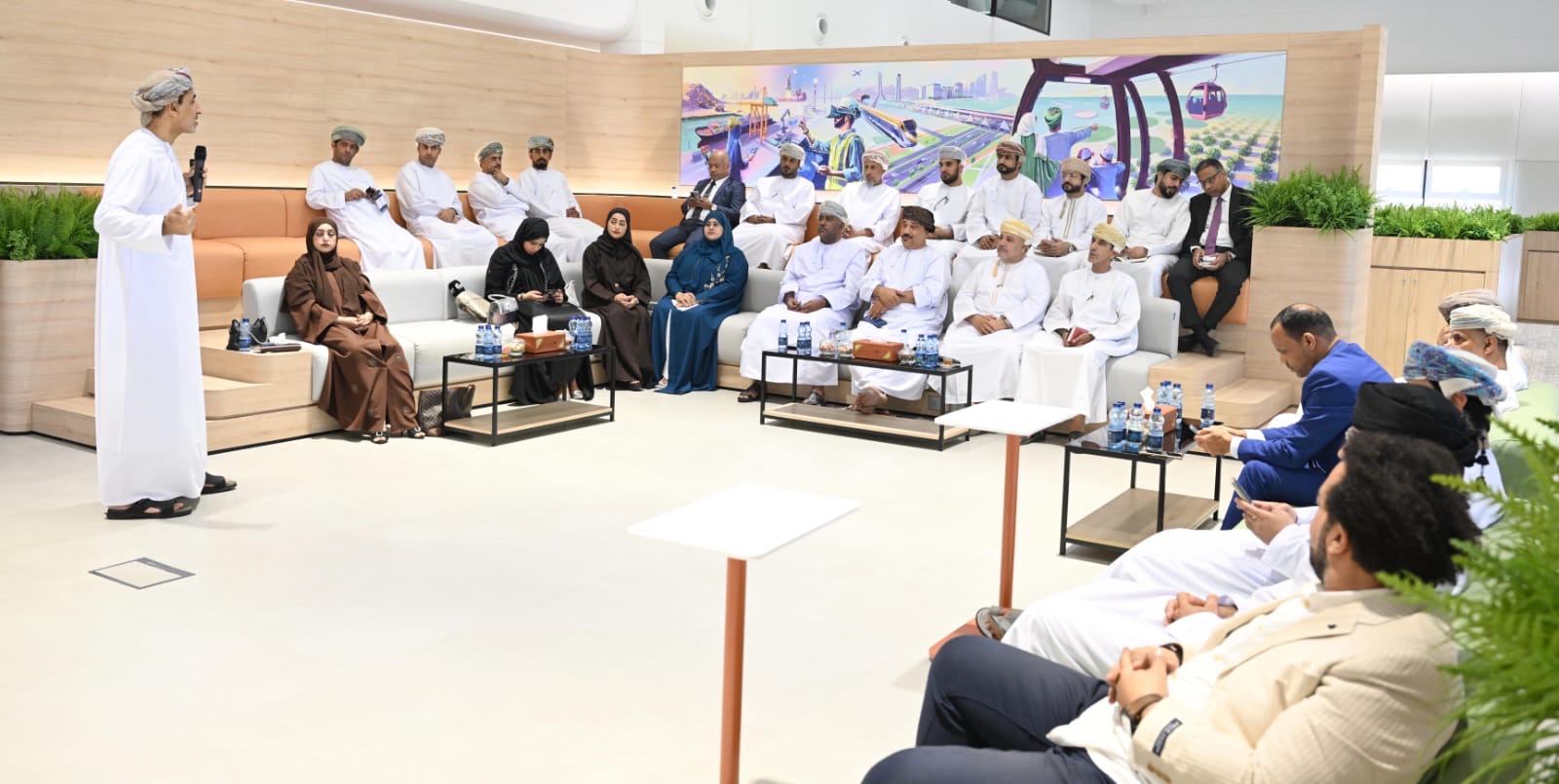
During a media gathering held at its headquarters in Muscat, the programme affirmed that it is one of the accelerated and intensive national initiatives established to achieve Oman Vision 2040, serving as a short-term executive arm of the first phase of the implementation plan for the economy and development pillar.
Khalid bin Said Al Shuaibi, President of Nazdaher, stated that the programme aims to enable the Sultanate of Oman to become a competitive and active destination in both local and global trade systems, through the development of an empowered private sector that leads a competitive economy integrated with the global economy.
Phase One of Nazdaher (2021–2023): Investment and Export Development
Al Shuaibi explained that during its first phase (2021–2023), the programme focused primarily on attracting local and foreign private investments, enhancing the business environment in the Sultanate of Oman, and developing investments across the various sectors of economic diversification. Among the key achievements was the development and modernisation of a National Investment Matrix for the Sultanate of Oman to measure the economic impact of investments in line with the objectives of Oman Vision 2040, for which an intellectual property certificate was obtained. The programme also conducted a comprehensive review of all procedures, regulations, and systems related to the investor journey, with the aim of providing all necessary facilitations and tools to enable investment in the economic diversification sectors.
In addition, several initiatives were developed and handed over to the Ministry of Commerce, Industry and Investment Promotion (MoCIIP) for implementation. These included the National Negotiation Team, the National Investment Strategy, the Invest Oman platform, the Investment Incentives Guide, the Investment Map, the Fast-Track Path, the Investor Residency Programme, and the Investment Sector Performance Monitoring Framework, which monitors investment sectors in line with investment targets amounting to around OMR 11 billion. The programme also followed up on the progress of investment projects and enabling initiatives, addressing challenges in key sectors such as food security, mining, energy, manufacturing, tourism, sports, health, logistics and information and communication technology.
The President of Nazdaher confirmed that, as part of the national efforts aimed at creating a competitive, diversified, and integrated economy, the national team, comprising representatives from Nazdaher, OQ Group, MoCIIP and the Public Establishment for Industrial Estates (Madayn), successfully developed and marketed the Ladayn Polymer Park locally and internationally, attracting investors to this promising sector. The complex is considered one of the most strategic industrial projects at the national level, aiming to achieve self-sufficiency in plastic products in the Sultanate of Oman and strengthen the country’s position on the global stage in this field. The complex will support the local industrial sector by providing new value-added products, opening the door for the development of similar industries in the future.
Al Shuaibi added that the project team has so far succeeded in securing 19 investment agreements for establishing industrial projects within the complex, with a total value exceeding $160 million (OMR 61.5 million). The project was officially adopted by OQ Group at the beginning of this year to ensure the continuity of operations in accordance with the required standards and to strengthen the prospects of success for the planned projects.
He stated that a proactive methodology had been developed for targeting investors and forming a specialised working team led by the Ministry of Commerce, Industry and Investment Promotion, with members from various relevant entities, including Nazdaher. This team succeeded in securing investments worth more than OMR 1.5 billion in Duqm and Sohar, including the Jindal Shadeed Iron and Steel Complex in Duqm and the United Solar Polysilicon Plant in the Sohar Free Zone. All investment-promotion tasks, databases, and technical reports were subsequently handed over to MoCIIP, represented by the Invest Oman Lounge, to continue the work within the national investment-attraction framework.
Furthermore, 37 investment opportunities with a total value of OMR 828 million were developed across seven sectors by the Investment Development Team and are now being promoted through Invest in Oman. The programme also worked on developing new investment sectors, including the cultural sector, in cooperation with the Ministry of Culture, Sports and Youth, and with the support of specialised international expertise. A comprehensive ten-year investment strategy was developed for the cultural and creative industries sector through intensive workshops, resulting in three major investment projects and five promising investment opportunities with a total value of approximately OMR 19 million, in addition to 12 enabling initiatives aimed at enhancing national capabilities and developing this vital sector.
The President of Nazdaher noted that these initiatives focus on four main pillars, which are, creative skills education, creative trade, creative infrastructure, and financing and legislation.
He further explained that an executive programme for the foreign trade system was developed to achieve international performance indicators and the Oman Vision 2040 targets for foreign trade. A total of 14 initiatives were launched to strengthen foreign trade in the areas of exports, imports, and re-exports, in collaboration with MoCIIP.
Al Shuaibi also pointed out that Nazdaher is part of the national team responsible for improving the Business Readiness Index, a new methodology developed by the World Bank to assess the business environment across up to 180 countries. This type of indicator serves as a tool to promote and attract foreign investment while also encouraging local investment. He clarified that the index comprises three main pillars: the regulatory framework, which represents the legislative environment; the public service framework, which covers service delivery; and efficiency, which reflects how effectively both frameworks are integrated in practice. Each pillar is measured through ten themes covering the lifecycle of a business, in preparation for the World Bank’s evaluation process scheduled to take place in phases during 2025.
He added that Nazdaher has developed a clear methodology to address existing gaps by analysing around 750 key indicators, including 1,370 sub-indicators, related to business readiness. This analysis led to the identification of 24 immediate reform initiatives, most of which have already been completed in coordination with the relevant authorities, as well as 17 improvement and incentive initiatives scheduled for completion during 2025–2026, in cooperation with more than 22 government entities.
Phase Two of Nazdaher (2024–2025): Development of the Private Sector and Foreign Trade
Al Shuaibi explained during the media briefing that in the second phase, ‘The National Programme for the Development of the Private Sector and Foreign Trade 2024–2025,’ the programme worked on designing a strategic framework to ensure the integration of national efforts. He clarified that this has been achieved through a focus on developing new initiatives for the development of the private sector both locally and internationally, in line with the objectives of the Private Sector, Investment, and International Cooperation Priority. This is being implemented in collaboration with relevant entities and through the active participation of private-sector representatives from different industries and company sizes. He added that the programme initially focused on assessing the current situation and subsequently developing packages of initiatives for 2025.
He stated that the implementation of these initiatives began in stages in cooperation with success partners and stakeholders, most notably the MoCIIP and the Oman Chamber of Commerce and Industry (OCCI). These initiatives include several key tracks, among them the Private Sector Development Track, which focuses on developing and empowering Omani companies and enhancing the global competitiveness of national products and services, based on a scientific methodology aligned with international best practices in private-sector development.
He noted that the current initiatives under the private-sector track revolve around establishing the necessary platforms for engaging the private sector in economic decision-making. This includes forming a specialised technical team representing the private sector under the umbrella of OCCI to participate in economic policymaking affecting private enterprises, proposing a governance and sustainability mechanism for family businesses, supporting the growth of medium-sized companies into large enterprises through sectoral accelerator programmes, enhancing the competitiveness of Omani products and services domestically and enabling their global reach through the strengthening of standards, conformity, and quality infrastructure, activating the Omani Quality Mark, and developing mutual recognition programmes with other countries.
Regarding the Foreign Trade Track, Al Shuaibi explained that this stream aims to develop initiatives and tools that enable the private sector to maximise the benefits of trade agreements through interactive platforms, smart guidance manuals, and trade-exchange programmes with selected markets. It also seeks to establish a flexible and scientific mechanism for evaluating international economic partnerships at the strategic level.
As for the Local Value Chain and Economic Sector Development Track, Al Shuaibi stated that Nazdaher, in cooperation with relevant entities including the National Programme for Economic Diversification, the Public Authority for Special Economic Zones and Free Zones (OPAZ), and other related organisations, is working to build comprehensive concepts for integrated economic clusters. These include the Integrated Aluminium Industries Cluster in Sohar, the Integrated Shaleem Minerals Cluster, the Qurayyat Fisheries Industries Cluster and the South Al Sharqiyah Fisheries Economic Cluster, the Integrated Cold Chain Cluster in Duqm, and the Agricultural Cities Governance Framework aimed at developing the Najd Agricultural Economic Cluster.
He explained that this process follows a technical working methodology that involves preparing detailed fact sheets for each cluster, followed by technical and financial analyses of infrastructure readiness, identifying investment-incentive requirements according to targeted investment opportunities within the clusters, and calculating the expected economic impact of each cluster. These steps pave the way for investor targeting efforts in coordination with the specialised national teams.
With regard to the International Competitiveness Improvement Track, Al Shu’aibi affirmed that efforts continue to improve Oman’s rankings in international economic indices related to the private sector, particularly the Business Readiness Index.
He further explained that, concerning the Unified National Promotional Identity of the Sultanate of Oman, the programme was assigned during 2023 and 2024 to develop a unified national promotional plan in collaboration with MoCIIP, the Ministry of Foreign Affairs, and the Ministry of Heritage and Tourism. The project was entrusted to a global consultancy specialised in developing national identities. On 8 January 2025, under the Royal Patronage of His Majesty Sultan Haitham bin Tarik, the Unified National Promotional Identity of the Sultanate of Oman was officially launched at Al Baraka Palace under the theme ‘Partnership’. The theme reflects Oman’s approach to building strategic relationships based on trust and cooperation and embodies its geographic position as a connecting hub between East and West. The identity was launched internationally through Oman’s participation in the World Economic Forum (Davos) in January 2025, attended by international delegations, global investors, and media representatives.
Al Shuaibi stated that the Office for the Unified National Promotional Identity of the Sultanate of Oman has been established and commenced operations in the first half of 2025. The Council of Ministers has circulated the unified reference framework for identity usage to all government administrative units. He added that a National Capacity-Building Programme has also been launched to hold specialised workshops focused on developing skills in identity management, visual tools, and activation mechanisms at national events, ensuring the consistent and proper application of the identity. These workshops are conducted with the participation of government entities, companies under the Oman Investment Authority, the private sector, media agencies and content creators.