
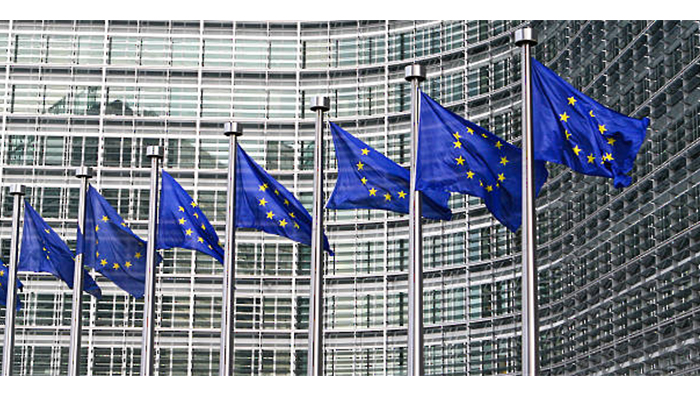
Brussels: European Commission President Ursula von der Leyen opened EU accession talks with Albania and North Macedonia in Brussels on Tuesday, after a year-long delay.
Albania and North Macedonia advanced another step on the long path towards EU membership after North Macedonia’s neighbour, Bulgaria, agreed to drop a 2020 veto on the accession talks.
Bulgaria, an EU member state since 2007, blocked the start of EU negotiations with its neighbour in a dispute about interpretations of shared history, the origins of the Macedonian language and the treatment of Bulgarian minorities in North Macedonia.
France, which had the EU presidency until the end of June, drew up a compromise proposal to unlock the bilateral issues. The North Macedonian parliament eventually passed the measures in a contentious vote after weeks of opposition-led unrest.
Before this, Greece had objected to the country’s membership because of claims to the name “Macedonia,” which prompted the switch to the name “North Macedonia.”
Accession talks can last years and EU member states may still block progress. Montenegro and Serbia started accession talks in 2012 and 2014 respectively, while Turkey was named an official candidate in 1999, but membership talks are effectively frozen.
The European Union recently designated Moldova and Ukraine official candidates for membership, a seminal move amid the Russian-Ukrainian war and a major development for the bloc’s future.
North Macedonia and Albania received EU candidate status in 2005 and 2014, respectively.
