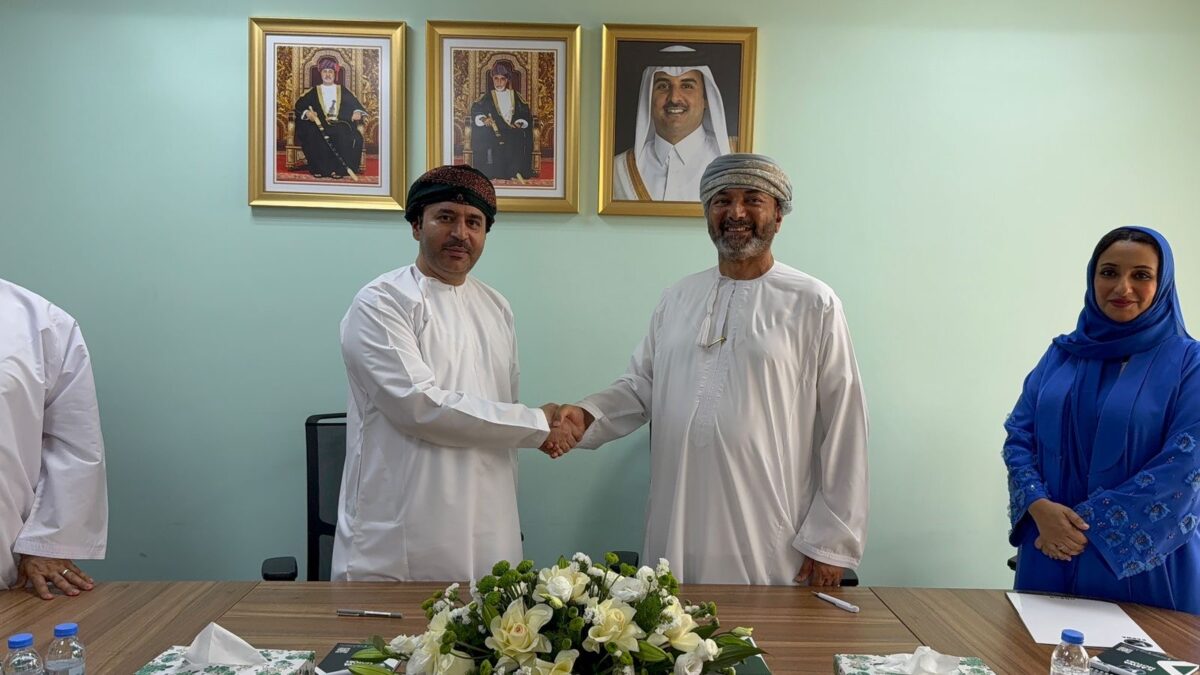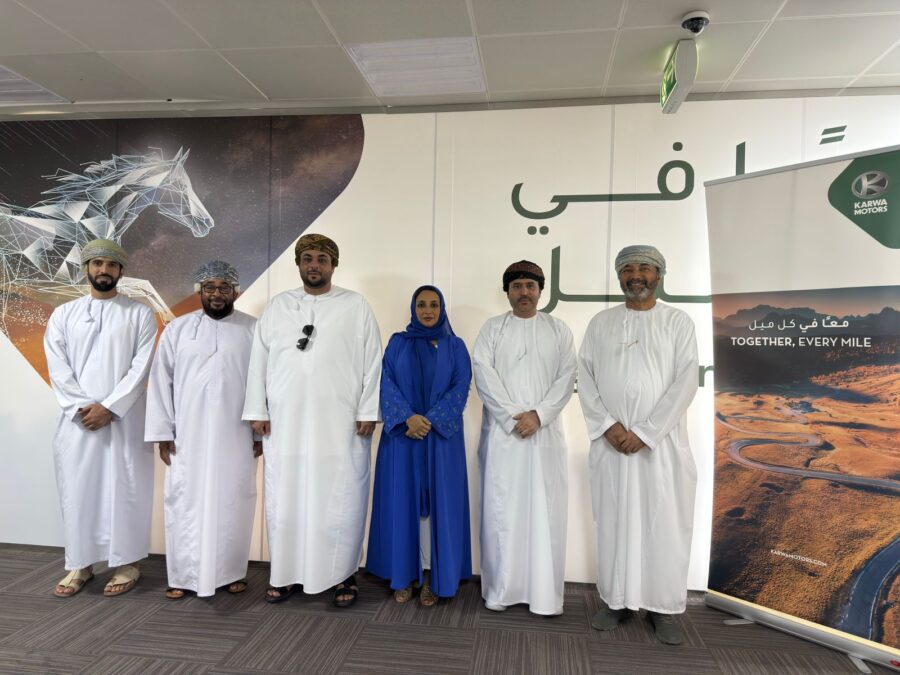

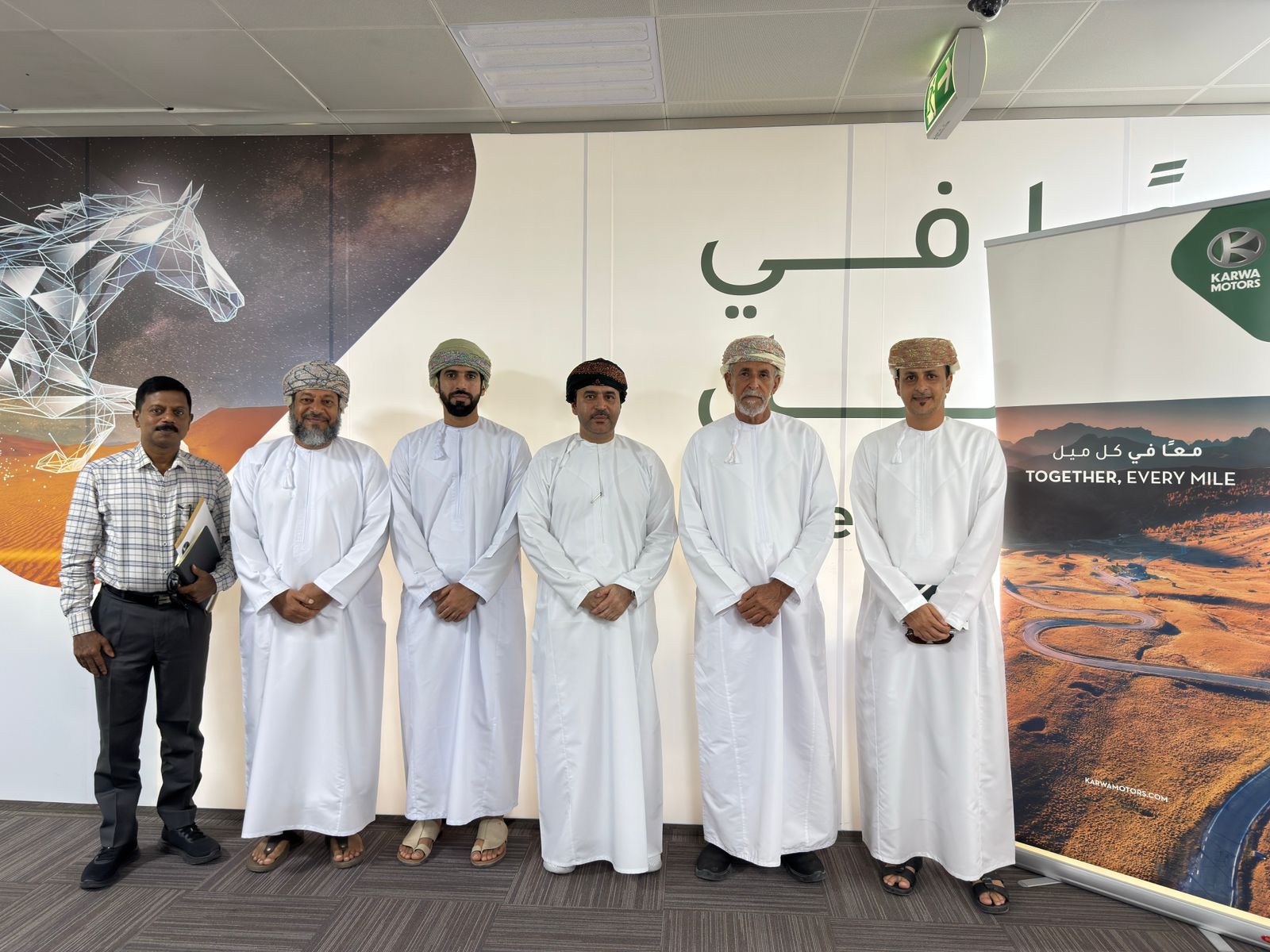
Karwa Motors has signed two strategic agreements with Al Khatma Company and Al Sumri Company to supply 34 new buses that will be operated at the facilities of Petroleum Development Oman (PDO). The buses meet the latest international specifications, incorporating the highest levels of approved quality and safety standards. This step reflects the growing confidence in Oman’s automotive industry within the transport sector and supports national industries aimed at meeting the country’s product needs.
The agreements were signed by Dr. Ibrahim bin Ali Al Balushi, CEO of Karwa Motors, and Salim bin Mohammed Al Harthy, CEO of Al Sumri Transport, while Hamid bin Mohammed Al Darai, CEO at Al Khatma Transport, signed on behalf of Al Khatma.
The agreements cover the supply of two types of buses, 45-seater buses dedicated to mass transport within concession areas and 25-seater buses designed to meet flexible operational requirements within facilities and sites. The buses have been designed in line with PDO’s requirements, focusing on safety, operational efficiency, comfort and the adoption of sustainability and environmental standards.
The agreements aim to enhance internal transport services within PDO facilities, facilitate employee mobility, and provide modern, safe means of transport that align with the company’s needs. They also reaffirm the commitment of Karwa Motors to supporting national companies and providing transport solutions that meet operational requirements in line with international standards.
Commenting on the signing, Dr. Ibrahim Al Balushi, CEO of Karwa Motors, said, “The signing of these two agreements marks a milestone in Karwa Motors’ journey to strengthen its presence in the Omani and regional markets. It is a privilege for the company’s products to be part of PDO’s vital operations. We are committed to delivering buses of the highest quality and safety standards, in line with our clients’ requirements and operational goals.”
He added, “Our collaboration with Al Khatma and Al Sumri represents a successful model of partnership among national companies. It contributes to supporting In-Country Value (ICV) by supplying products manufactured to global standards, while also strengthening the national economy and creating indirect job opportunities in the transport, maintenance and logistics support sectors.”